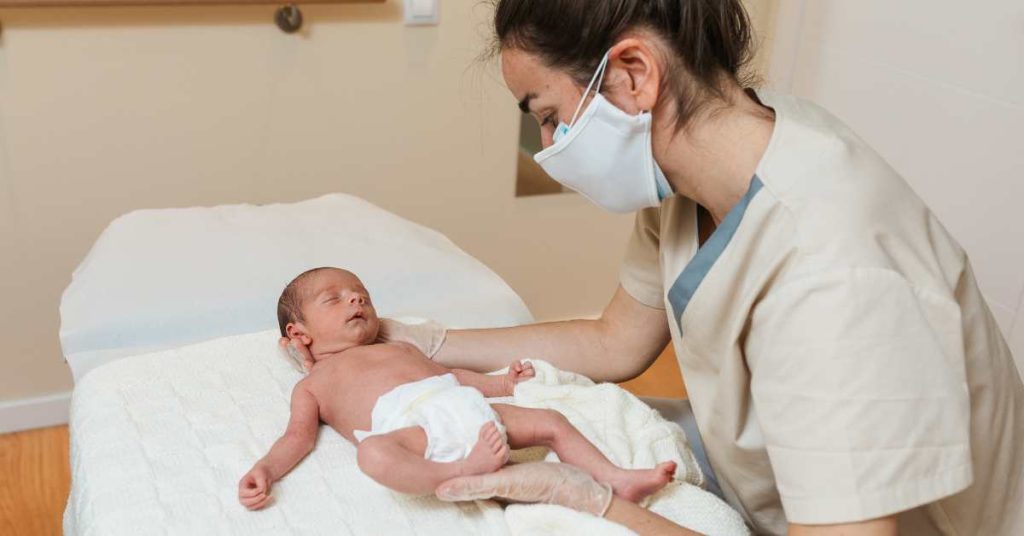
The arrival of a newborn is a moment filled with joy, relief, and a whole new set of responsibilities. Among the first tasks for parents is ensuring their baby receives proper medical care. One of the earliest and most important steps is scheduling the initial newborn check up. This first appointment sets the tone for your child’s health journey, offering reassurance for parents and a solid foundation for your baby’s growth and development.
Many new parents wonder: What actually happens during the first checkup? What questions should I ask? How can I prepare? This guide covers everything you need to know about the newborn examination, from what the pediatrician looks for to how you can make the visit stress-free.
Why the Newborn Check Up Matters
The first weeks of life are delicate. Babies grow and adapt rapidly to the outside world, making early monitoring crucial. A newborn check up provides:
- Growth Tracking – Measuring weight, length, and head circumference to ensure healthy development.
- Early Detection – Identifying health issues like jaundice, feeding difficulties, or congenital conditions.
- Parental Support – Helping new parents adjust, offering tips on feeding, sleep, and soothing.
- Vaccination Guidance – Reviewing the immunization schedule and answering safety questions.
- Developmental Screening – Checking reflexes and responsiveness that indicate normal neurological health.
The goal isn’t just to examine the baby—it’s also to guide parents through the first, sometimes overwhelming, days.
Timing of the First Checkup
Typically, the first newborn appointment takes place within 3 to 5 days after birth. If your baby was premature or experienced complications at birth, your pediatrician may recommend an earlier visit. This timing allows doctors to monitor feeding, weight gain, and overall adjustment.

What Happens During the Newborn Check Up
The appointment is comprehensive, covering physical health, development, and parental concerns.
1. Growth Measurements
The pediatrician records your baby’s weight, length, and head circumference. These numbers are compared with growth charts to ensure steady progress.
2. Full Physical Examination
Doctors examine the skin, eyes, ears, heart, lungs, abdomen, hips, and genitals. Reflexes like grasping or rooting are tested, as they reveal healthy brain and nerve function.
3. Feeding and Nutrition Review
Parents are asked about feeding schedules, whether breastfeeding or formula. Weight loss is common in the first days, but the doctor ensures it isn’t excessive.
4. Jaundice Screening
Many newborns develop mild jaundice. The pediatrician checks skin and eye color to determine if additional testing is necessary.
5. Sleep and Behavior Discussion
Parents often have questions about how long babies should sleep, safe sleep practices, and how to soothe fussiness. The checkup is the time to address these.
6. Immunization Plan
Depending on timing, the pediatrician reviews the vaccination schedule, starting with the first doses like hepatitis B.
Questions Parents Should Ask
New parents often feel overwhelmed and forget their concerns in the moment. Writing questions in advance ensures nothing is missed. Common examples include:
- How much weight loss is normal in the first days?
- How often should my baby feed, and for how long?
- What are the safest sleep positions and environments?
- How can I tell if my baby is getting enough milk or formula?
- When should I be concerned about crying, spit-up, or rashes?
- What are the signs of infection or illness I should look for?
Your pediatrician welcomes these questions and provides personalized guidance.
Parental Role During the Checkup
Parents play a key role in newborn appointments. By observing your baby daily, you bring vital information to the doctor. Take notes on:
- Number of wet and dirty diapers per day
- Frequency and duration of feeds
- Baby’s sleep schedule and waking periods
- Any unusual behaviors like excessive fussiness or lethargy
This information helps the pediatrician understand your baby’s routine and identify any early concerns.
How to Prepare for the Visit
Being organized reduces stress and helps the visit go smoothly. Here are tips for preparation:
- Pack diapers, wipes, a change of clothes, and a blanket.
- Bring your hospital discharge papers and any test results.
- Write down feeding times and diaper counts.
- Note any concerns about breathing, skin color, or responsiveness.
- Plan to arrive a few minutes early, especially if it’s your first visit.
Common Issues Checked at the First Visit
Newborn checkups often highlight a few recurring concerns, including:
- Jaundice – Common but usually manageable with sunlight or, if needed, phototherapy.
- Weight Loss – Most babies lose up to 10% of birth weight but should regain it by two weeks.
- Feeding Concerns – Difficulty latching, frequent spit-ups, or reflux are discussed.
- Umbilical Cord Care – Parents receive instructions on keeping the cord clean and monitoring healing.
- Circumcision or Healing Wounds – If applicable, doctors check for proper healing.
Emotional Reassurance for Parents
For many new parents, the first appointment brings relief. The reassurance that your baby is healthy can ease anxieties. Pediatricians also address the emotional side of parenthood, encouraging parents to rest, seek support, and ask for help when needed.
The Checkup Beyond the First Visit
The newborn exam is just the beginning of a series of visits during the first year. Each appointment builds upon the last, monitoring growth and development while giving parents the chance to ask new questions as their baby grows.
| Age | Focus of Visit | Key Milestones |
|---|---|---|
| 2 weeks | Weight gain check, feeding evaluation | Reflexes, alertness |
| 1 month | Growth review, sleep patterns | Early eye contact |
| 2 months | Vaccinations, developmental review | Smiling, cooing |
| 4 months | Nutrition, mobility | Rolling over |
| 6 months | Introduction of solids | Sitting with support |
| 9 months | Developmental progress | Crawling, babbling |
| 12 months | First-year health check | Standing, first steps |
Each stage has unique concerns, but the foundation is set during the very first newborn checkup.
When to Call the Pediatrician Outside Scheduled Visits
Even after the checkup, situations may arise that require immediate attention. Call your pediatrician if your baby:
- Has a fever of 100.4°F (38°C) or higher
- Refuses to feed for multiple hours
- Appears unusually sleepy or unresponsive
- Has labored or noisy breathing
- Produces fewer wet diapers than expected
- Develops a sudden rash or skin discoloration
Quick action ensures your baby gets care when needed most.
Final Thoughts
The first newborn check up is more than a medical appointment—it’s a milestone for both baby and parents. It provides reassurance, guidance, and a foundation of trust between your family and your pediatrician. Knowing what to expect and how to prepare allows you to make the most of this essential visit.
If you’d like more detailed insights into how to prepare and what to expect, you can read this complete guide on the newborn check up. Taking time to engage fully in these visits will not only protect your baby’s health but also give you confidence in your new role as a parent.